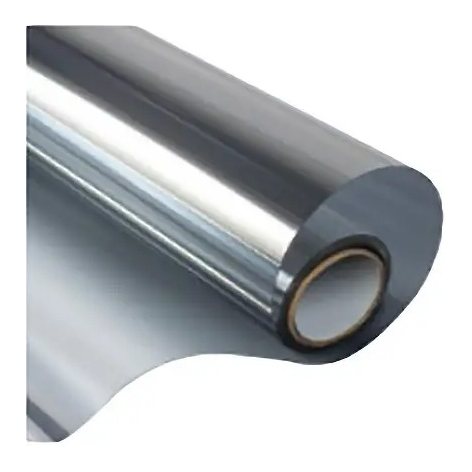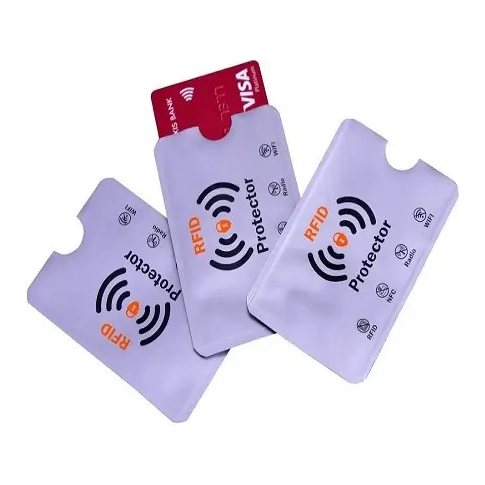
Contactless cards and passports contain chips that respond to radio signals. RFID blocking material puts a conductive layer around them, so a reader's signal cannot power or communicate with the chip.
How it works
The principle is the Faraday cage: a conductive enclosure stops electromagnetic energy from passing through. MYNDS RFID blocking fabric uses a copper, nickel and polyester weave for this.
Where it is used
Common uses include linings for wallets, card holders, passport covers, handbags and laptop bags.
What to check
Blocking depends on the frequency and on how fully the material surrounds the card. Test the finished product, not just the fabric.
Common questions
Does it stop all wireless signals?
Do not assume so. Results depend on frequency and how fully the material surrounds the item, so test it for the signals you care about.
Will a card still work after being stored in it?
Blocking is intended to stop reading while the card is covered. Take the card out to use it, and test with your own cards.
Can I use it in a product I make?
Yes, that is the usual use. See fabric, film or card cover to choose a form.
How to test a finished product
- Put a working contactless card inside the finished product.
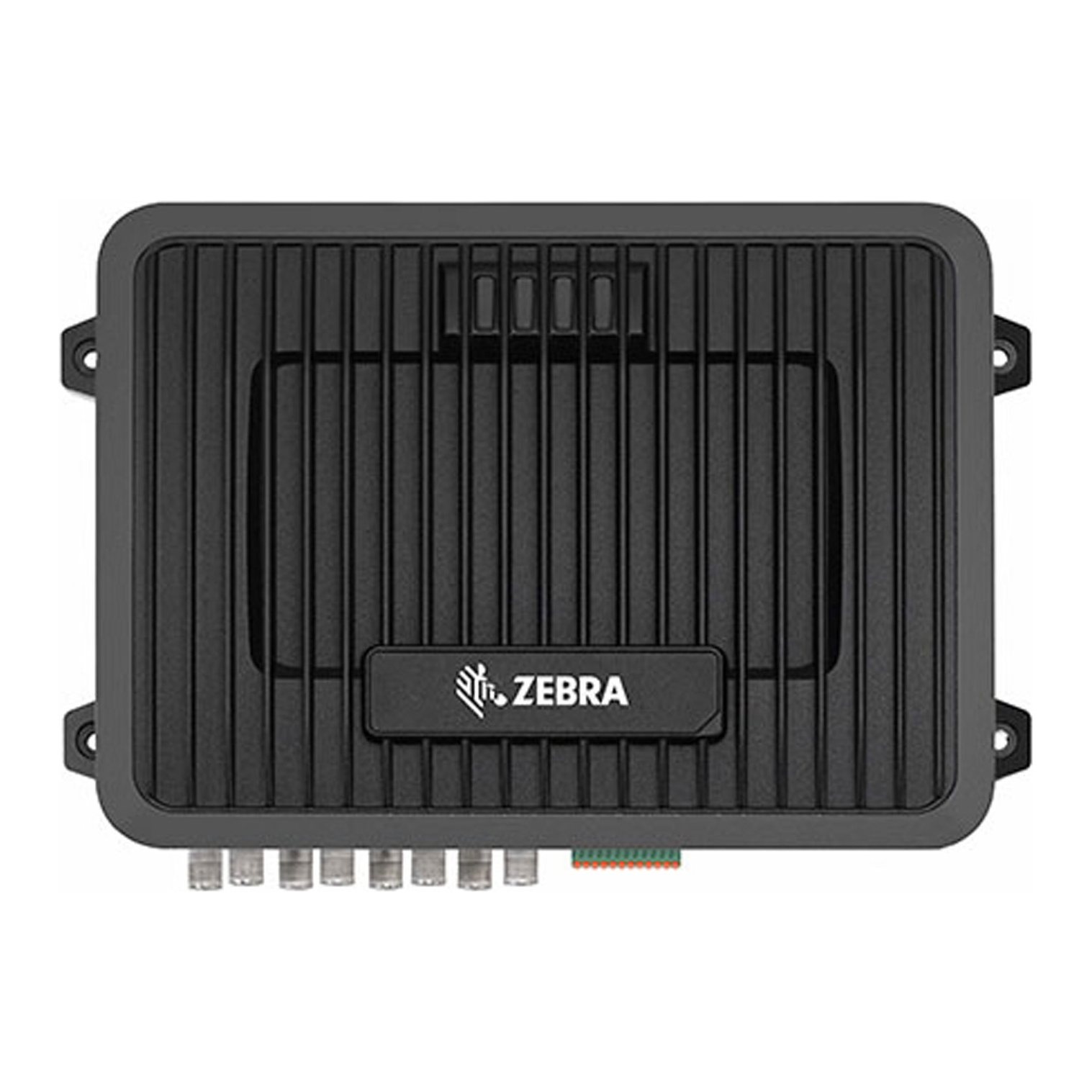
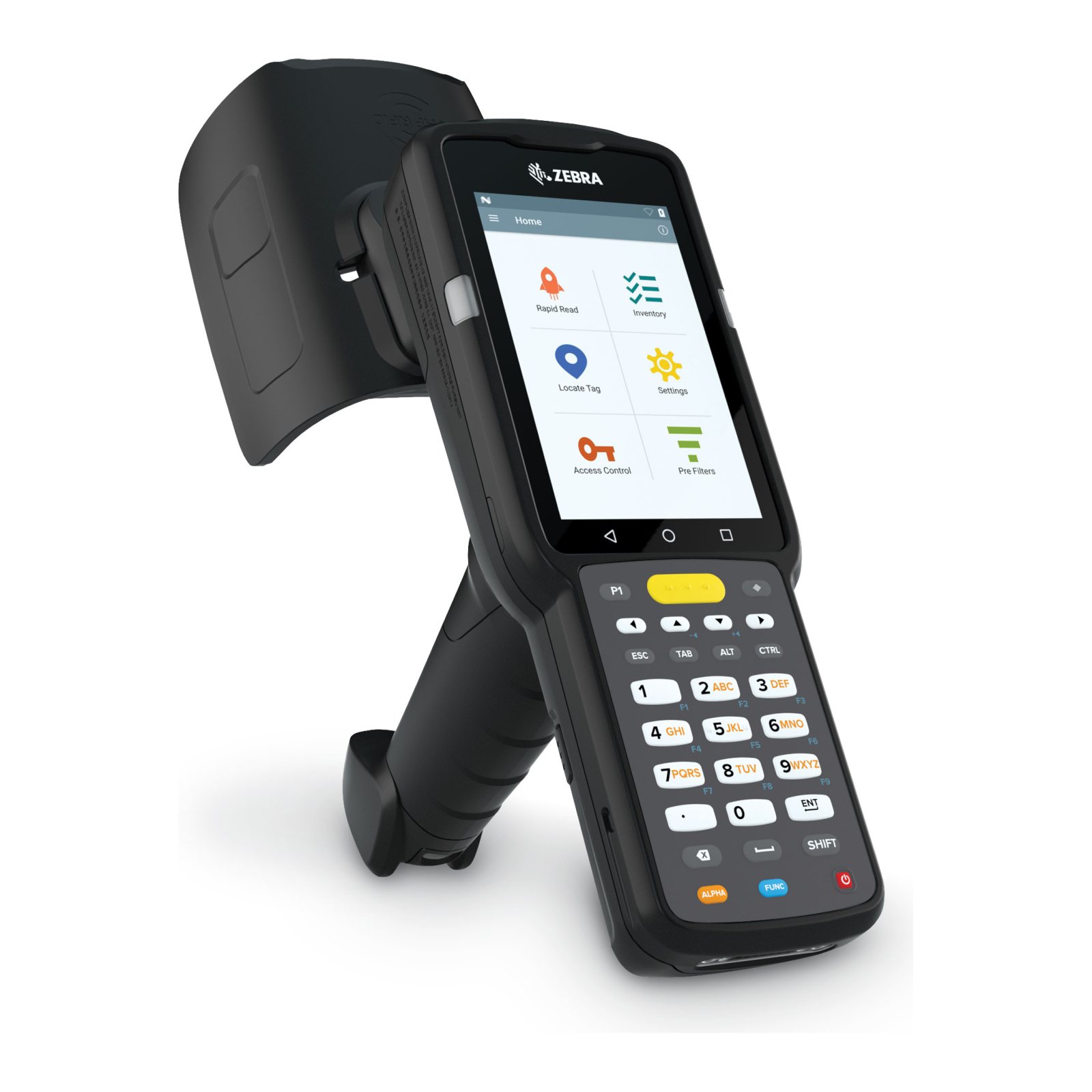
- Try reading it at a card reader, from every side.
- Pay attention to openings, seams and folds.
- Repeat after normal use, as linings can shift or wear.
Talk to Mindware
Mindware (Indian Barcode Corporation), based in Dwarka, New Delhi, can help you choose and test the right option. See the MYNDS RFID Blocking Fabric or send an export or domestic enquiry to our sales team.