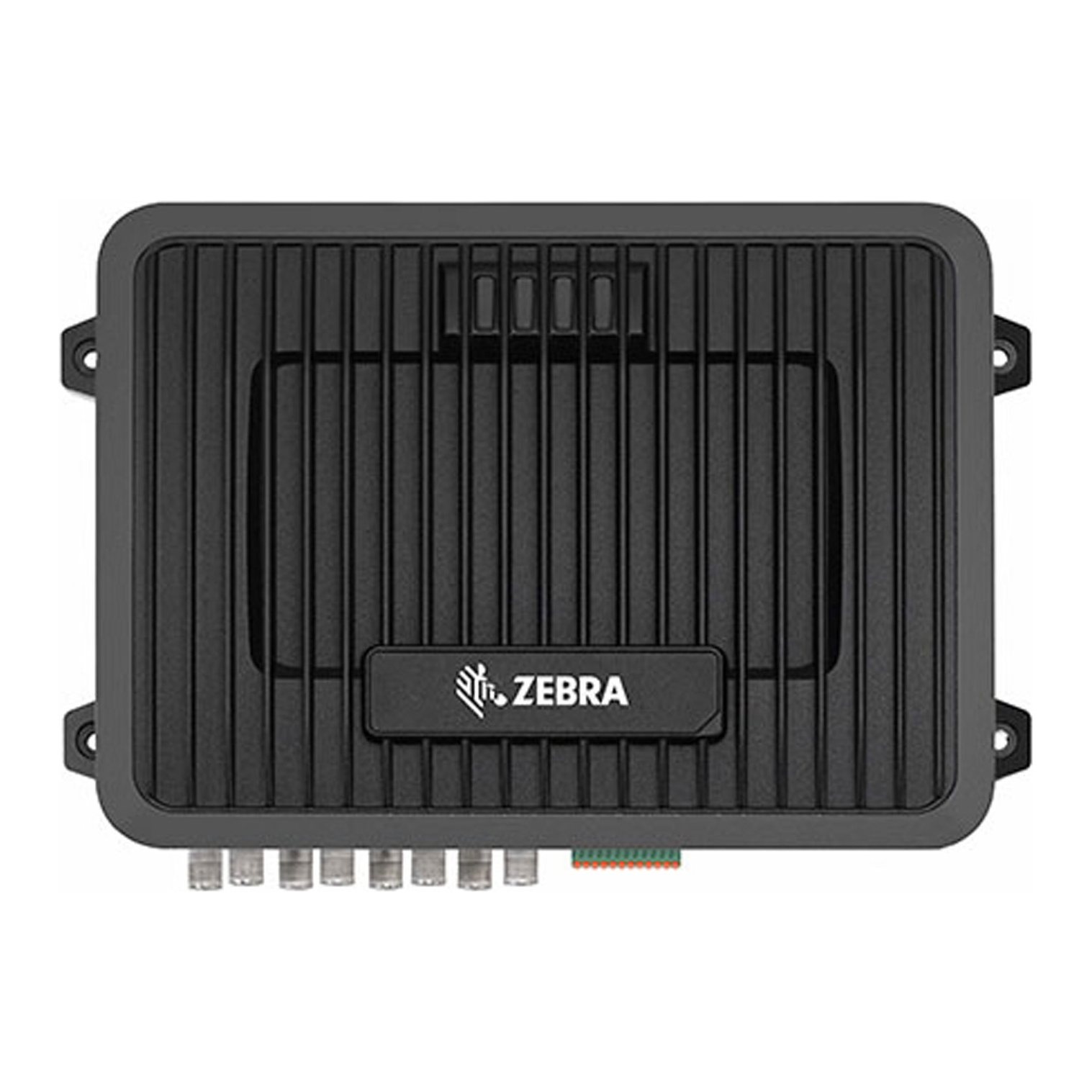
Readers differ mainly in how tags reach them. Either a person takes the reader to the items, or the items pass the reader. Decide which fits your process, then the rest of the choice follows.
The main types of reader
| Type | Best for | Keep in mind |
|---|---|---|
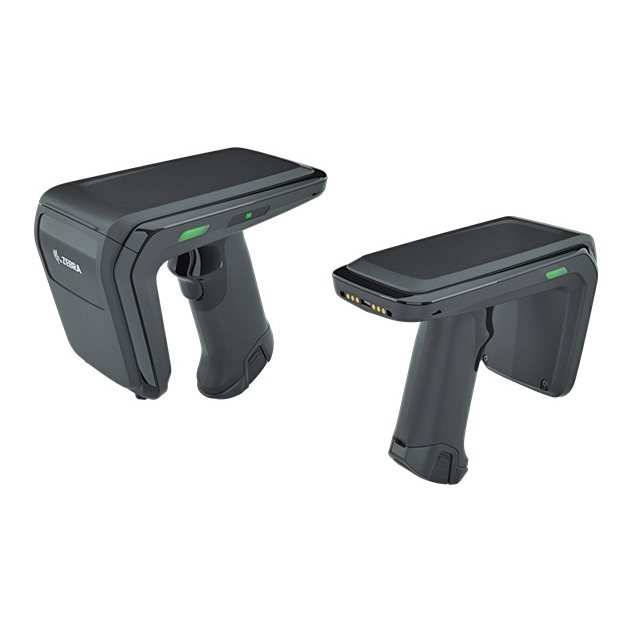
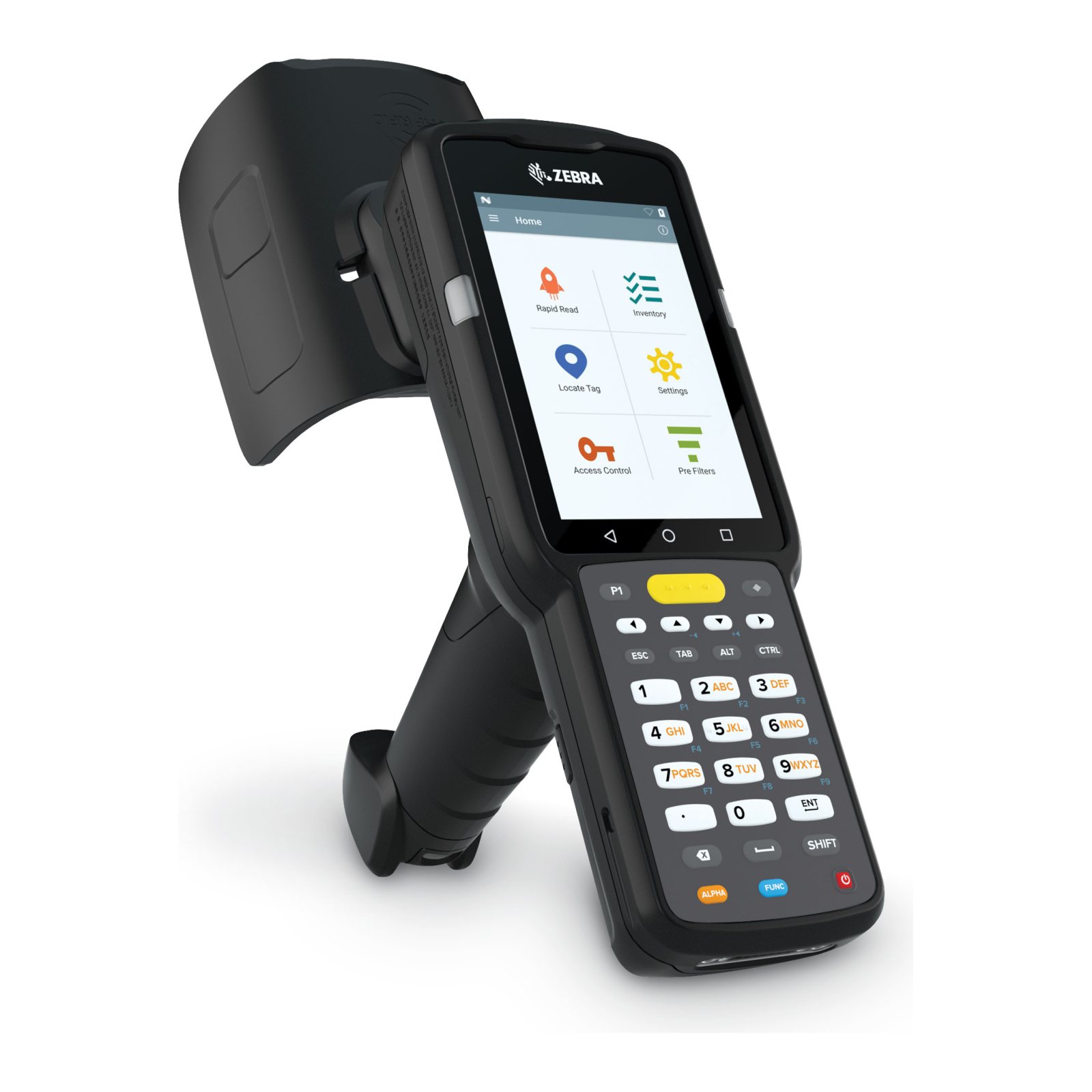
| Handheld | Stock counts and searching for items | Depends on a person walking the area |
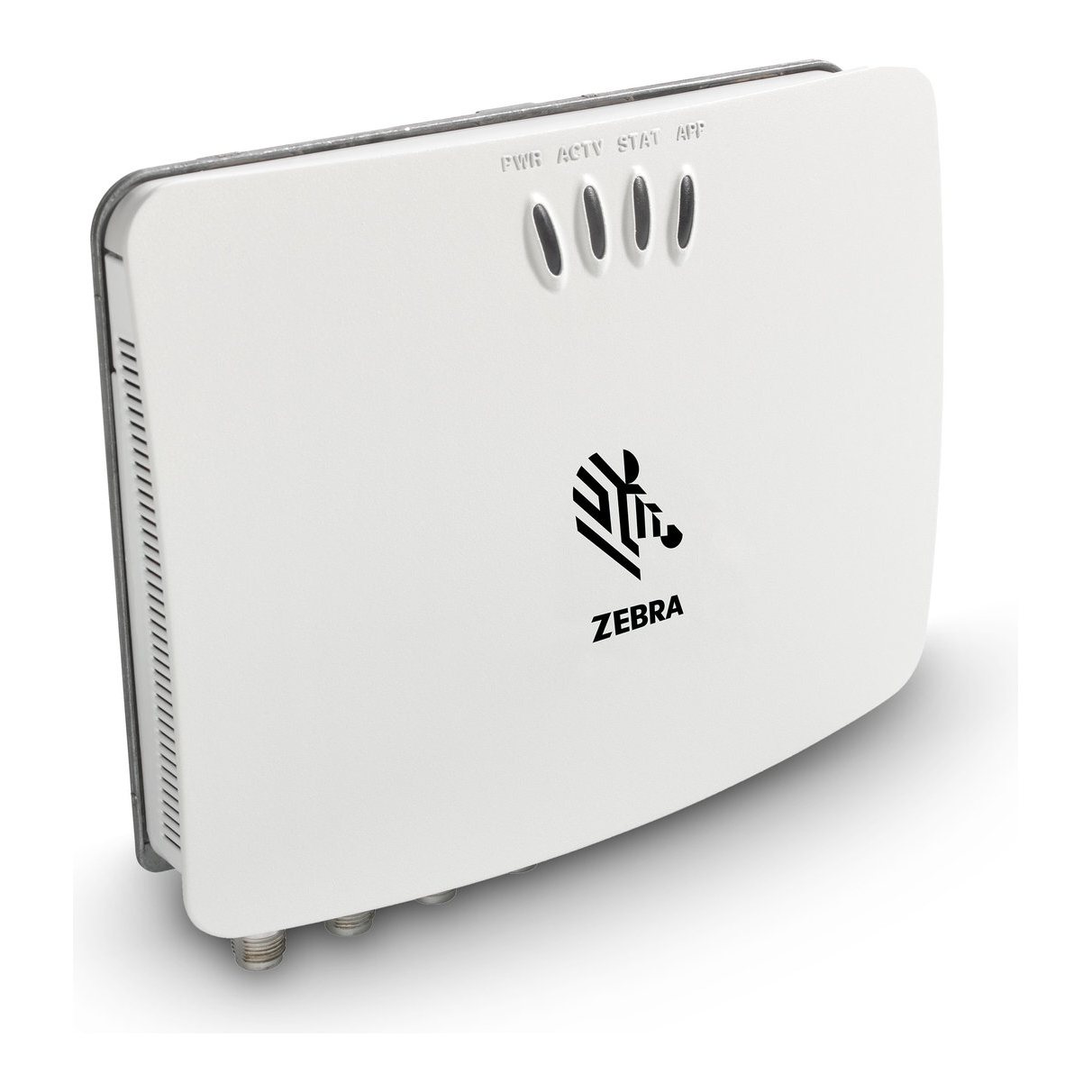
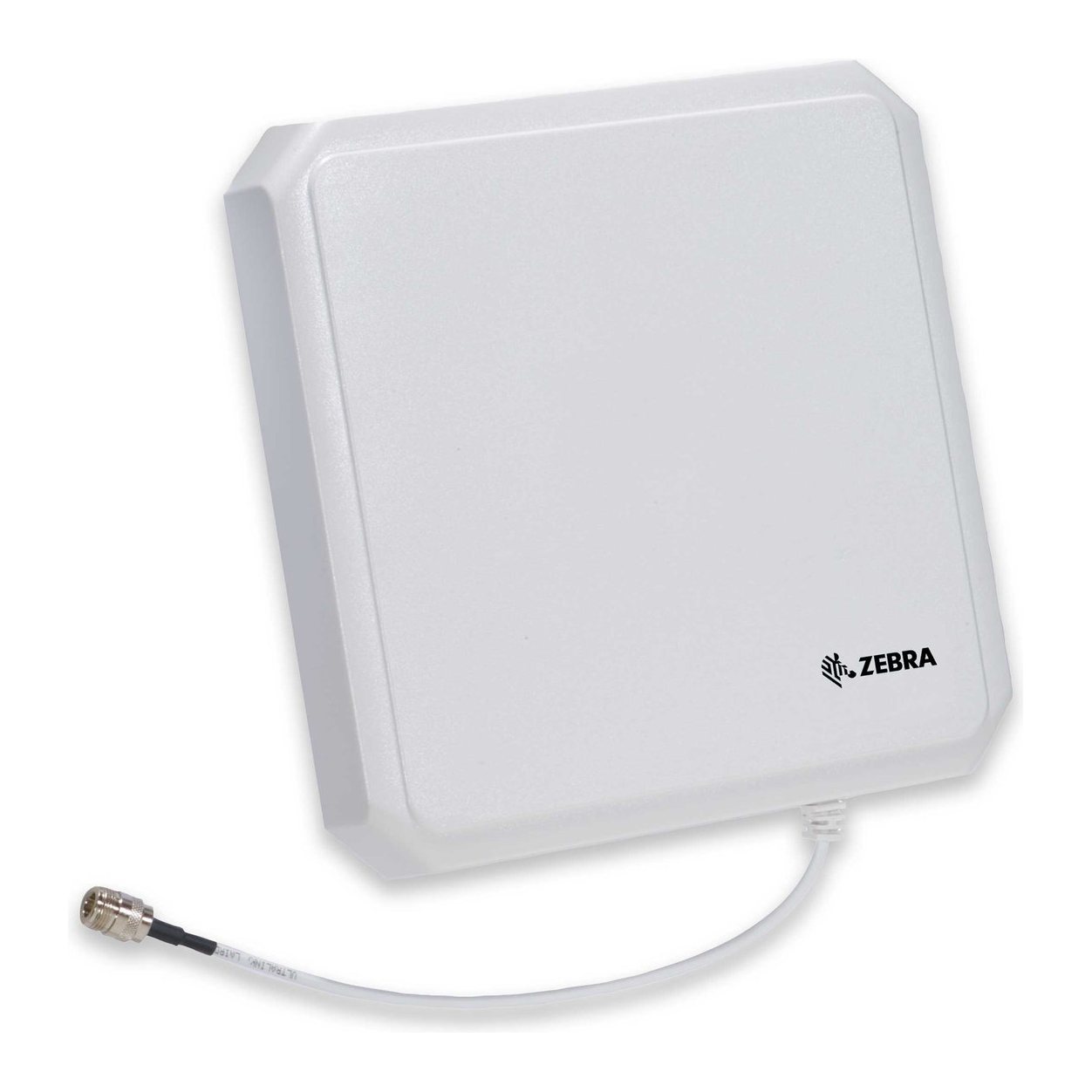
| Fixed | Doorways, conveyors and dock doors | Needs antennas, mounting and tuning |
| Gate | Recording movement through a doorway | Test with real traffic and speed |
| Desktop | Reading tags one by one at a counter | Short range, not for bulk counting |
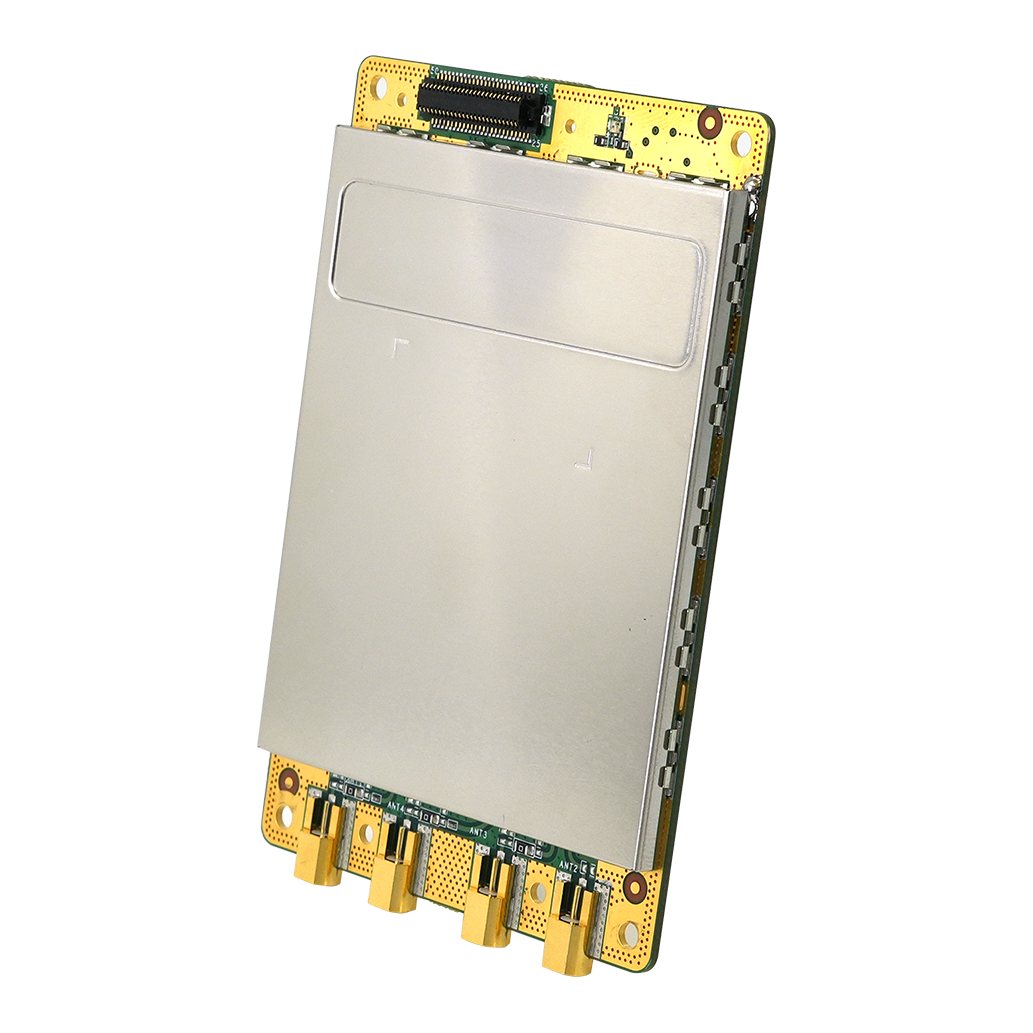
| Module | Building RFID into your own device | Needs development work |
Handheld readers
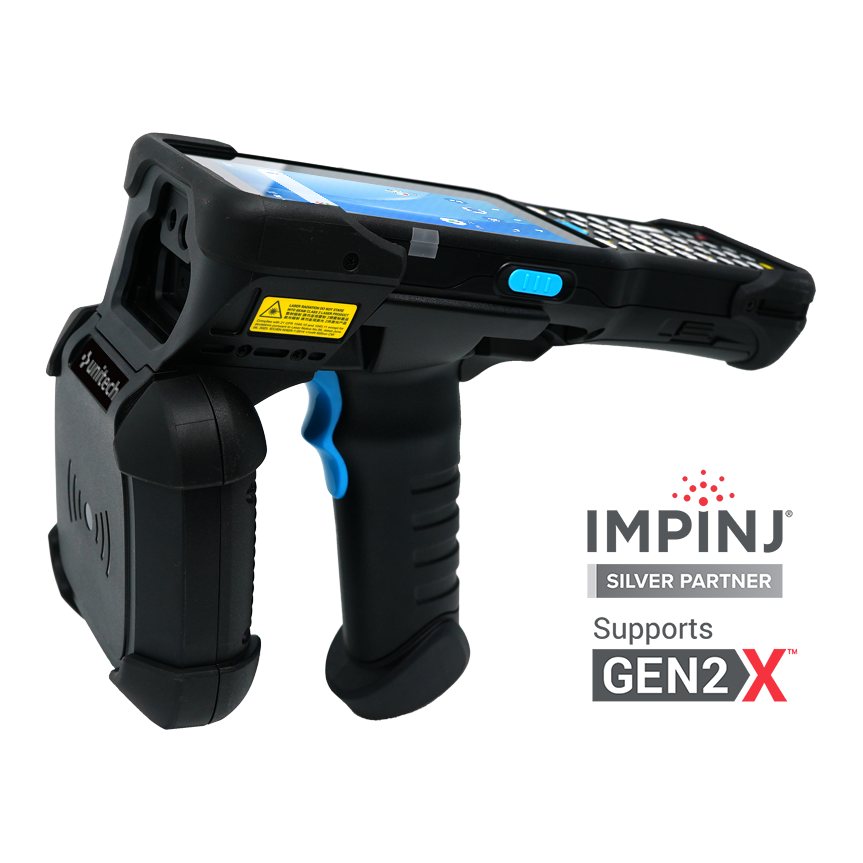
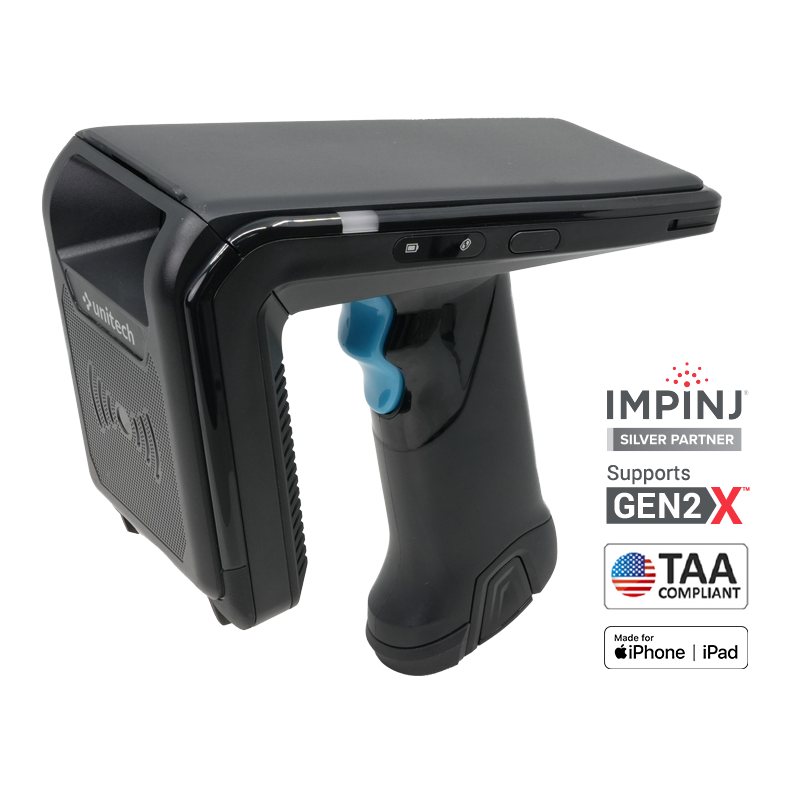
There are two common forms: an all-in-one mobile computer with RFID built in, and a sled or pocket reader that pairs with your phone or computer. A sled lets you keep existing devices, while an all-in-one means a single device to manage. Compare the read range, battery life and weight, because staff may carry it all day.
Fixed readers and antennas
- Antenna ports: count how many antennas each read point needs, including room to grow.
- Connections: check for network and power over Ethernet, which simplifies cabling.
- Inputs and outputs: useful for sensors, lights and alarms at doors.
- Antennas: placement and read zone often matter more than the reader itself.
Things that affect every reader
- Frequency: for UHF in India, check the model supports 865 to 867 MHz.
- Metal and liquids: these can block or reflect signal, so test on site.
- Unwanted reads: a strong reader can pick up tags nearby, so read zones need setting up.
- Software: check how reads reach your system, and whether an SDK or app is included.
Where to start
- Tag a sample of real stock, and test tags before buying readers in number.
- Run counts with one handheld.
- Add fixed read points where movement matters.
- Connect the data to your system.
Common questions
Will it read every tag in one pass?
Do not assume so. Results depend on tags, items and surroundings, so measure the read rate in your own trial.
Does RFID replace barcodes?
Often the two work together, and many labels carry both. Barcodes remain a useful backup.
Example
Illustrative: a store would usually start with a handheld reader for stock counts, then consider fixed readers at doors once tagging is working well.
Talk to Mindware
Mindware (Indian Barcode Corporation), based in Dwarka, New Delhi, can help you choose and test the right option. See the Zebra FX9600 Fixed UHF RFID Reader or send an export or domestic enquiry to our sales team.