A scanner is a simple device until it cannot read the code in front of it. The right choice depends on what you need to read, what it is printed on and where your staff are standing when they read it.
Start with the codes you must read
| Type | Reads | Suits |
|---|---|---|
| 1D | Ordinary linear barcodes | Fixed tasks where only product barcodes will ever appear |
| 2D | Linear barcodes, QR codes, Data Matrix and codes on phone screens | Most new purchases, as it covers future needs |
If in doubt, choose 2D. Codes on packaging, invoices and phones are increasingly 2D, and a 1D scanner cannot read them.
Choose how it will be used
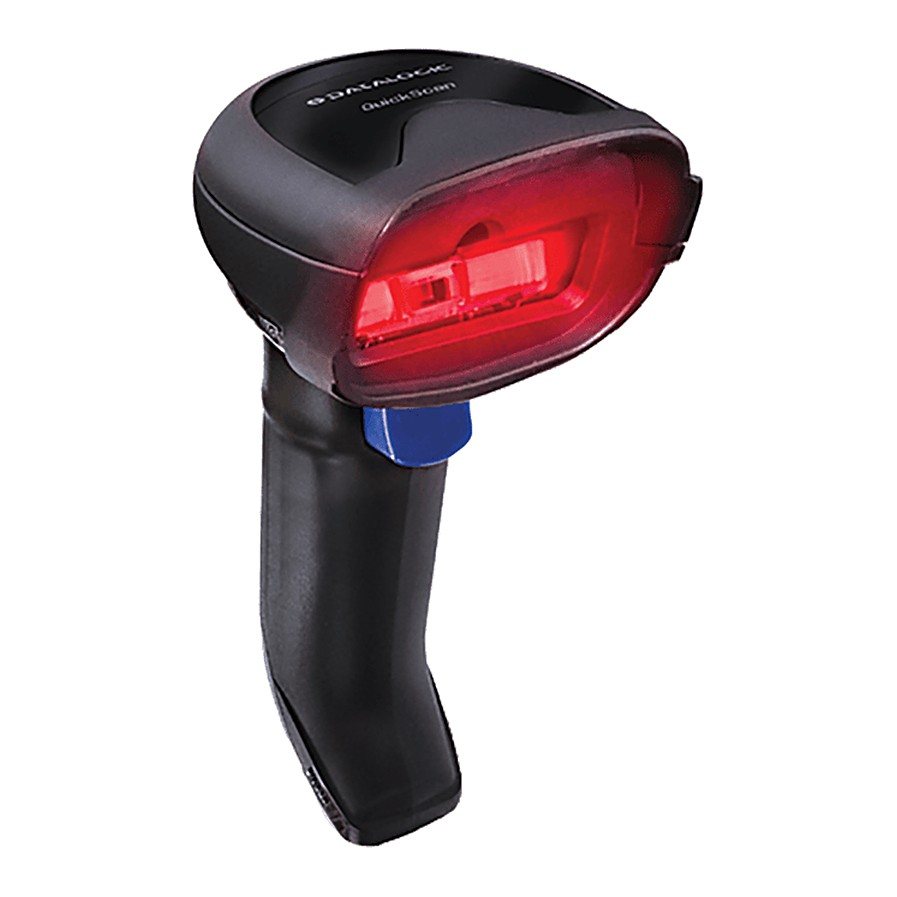
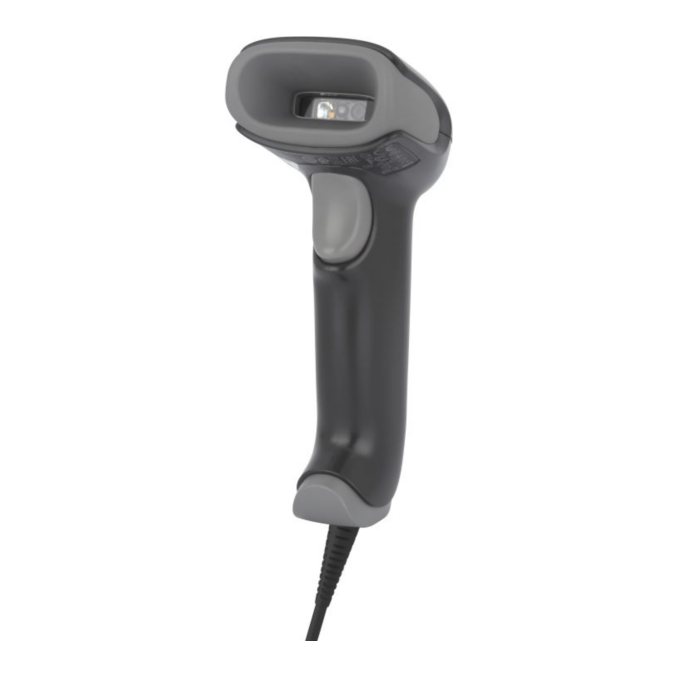
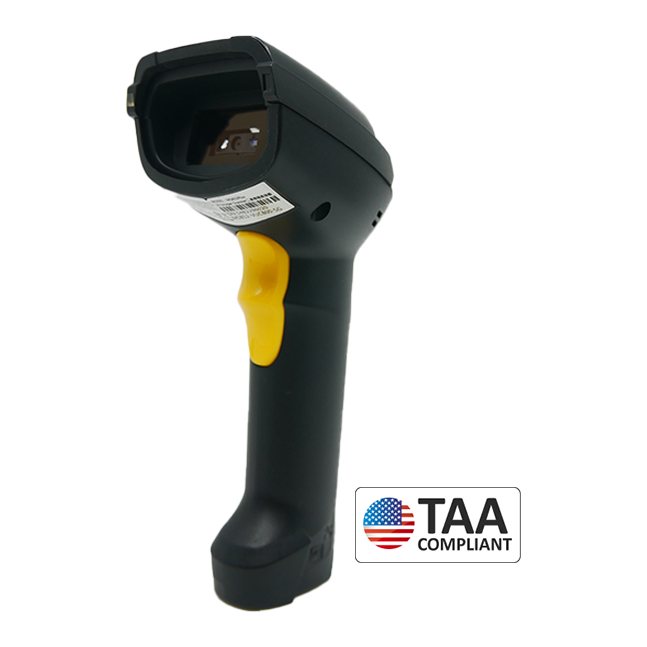
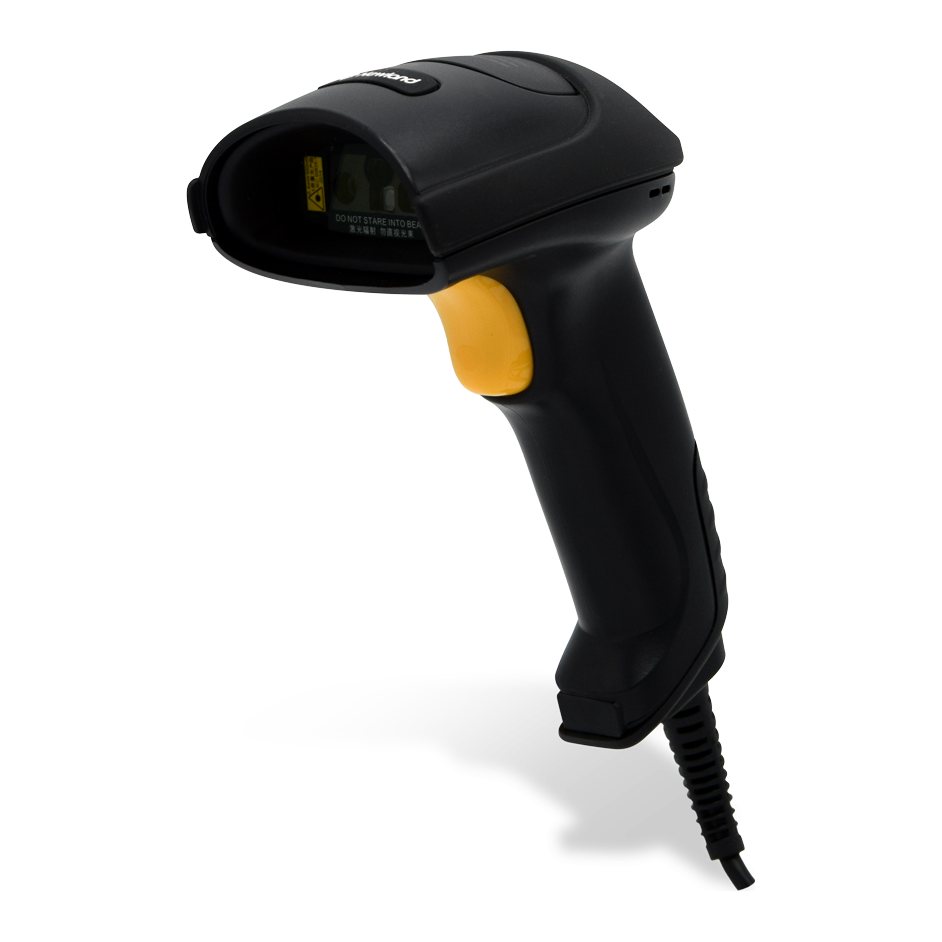
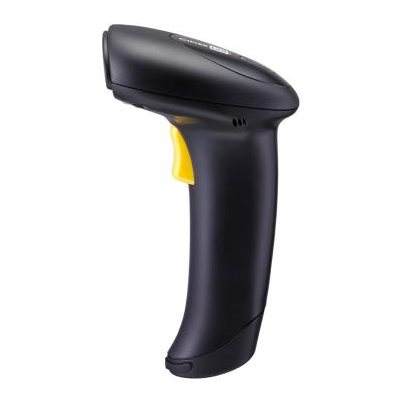
- Handheld: the general choice, and good for heavy or awkward items.
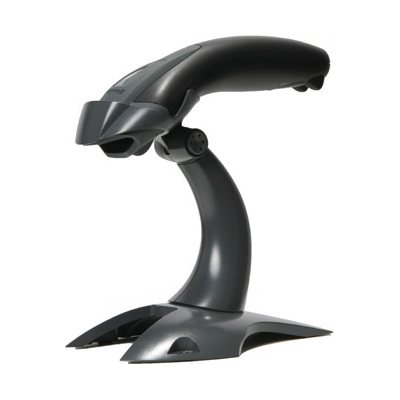
- Presentation: sits on the counter and leaves both hands free, which helps when bills have many items.
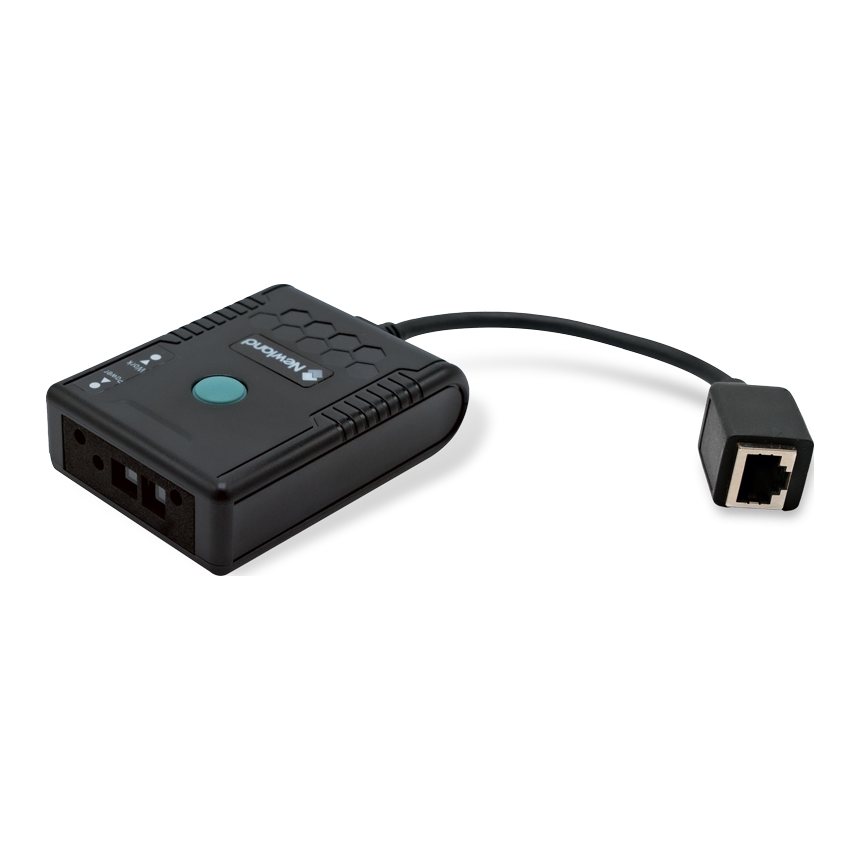
- Fixed mount: built into a conveyor, kiosk or machine.
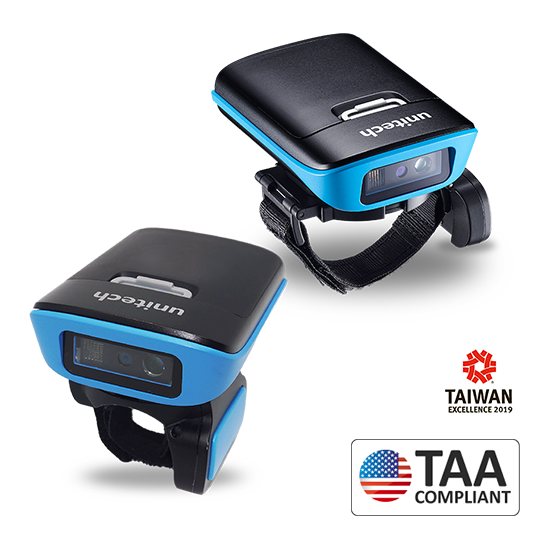
- Wearable: worn on the hand or finger for picking and sorting.
Corded or wireless
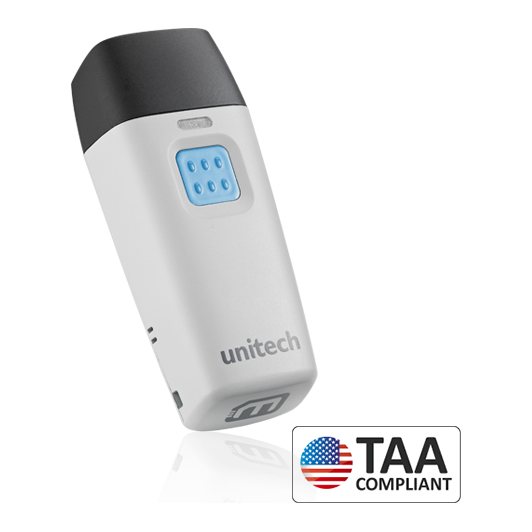
Corded USB scanners need no charging and suit a fixed counter. Wireless models help when staff walk to the item. Check the working range in your building, whether it pairs with a dongle or by Bluetooth, and how the battery suits your shift.
Does it need to be industrial?
Industrial scanners are built for dust, drops and heavy daily use. Compare the sealing rating and the drop height against your real conditions. They are also the place to look if you must read:
- Codes from a distance, such as racks and high shelves.
- Damaged, dirty or poorly printed labels.
- Direct part marks etched or dot-peened into metal or plastic.
Before you order
- Test with your real labels, including the worst ones, not a clean sample.
- Check the scanner connects the way your software expects. Many act like a keyboard, which is the simplest set-up.
- Confirm it reads every code type you use, including GS1 formats if your trade requires them.
- Count spare batteries, stands and cables.
Common questions
Why does my scanner read some labels and not others?
Usually it is print quality, code size, low contrast, or that code type being switched off in the scanner settings. Most of these can be checked quickly.
Will it read codes on a phone?
A 2D imager generally will. Laser and most 1D scanners will not.
Example
Illustrative: a shop accepting QR codes at the counter would usually choose a corded 2D scanner, while a warehouse team might prefer a rugged wireless model.
Talk to Mindware
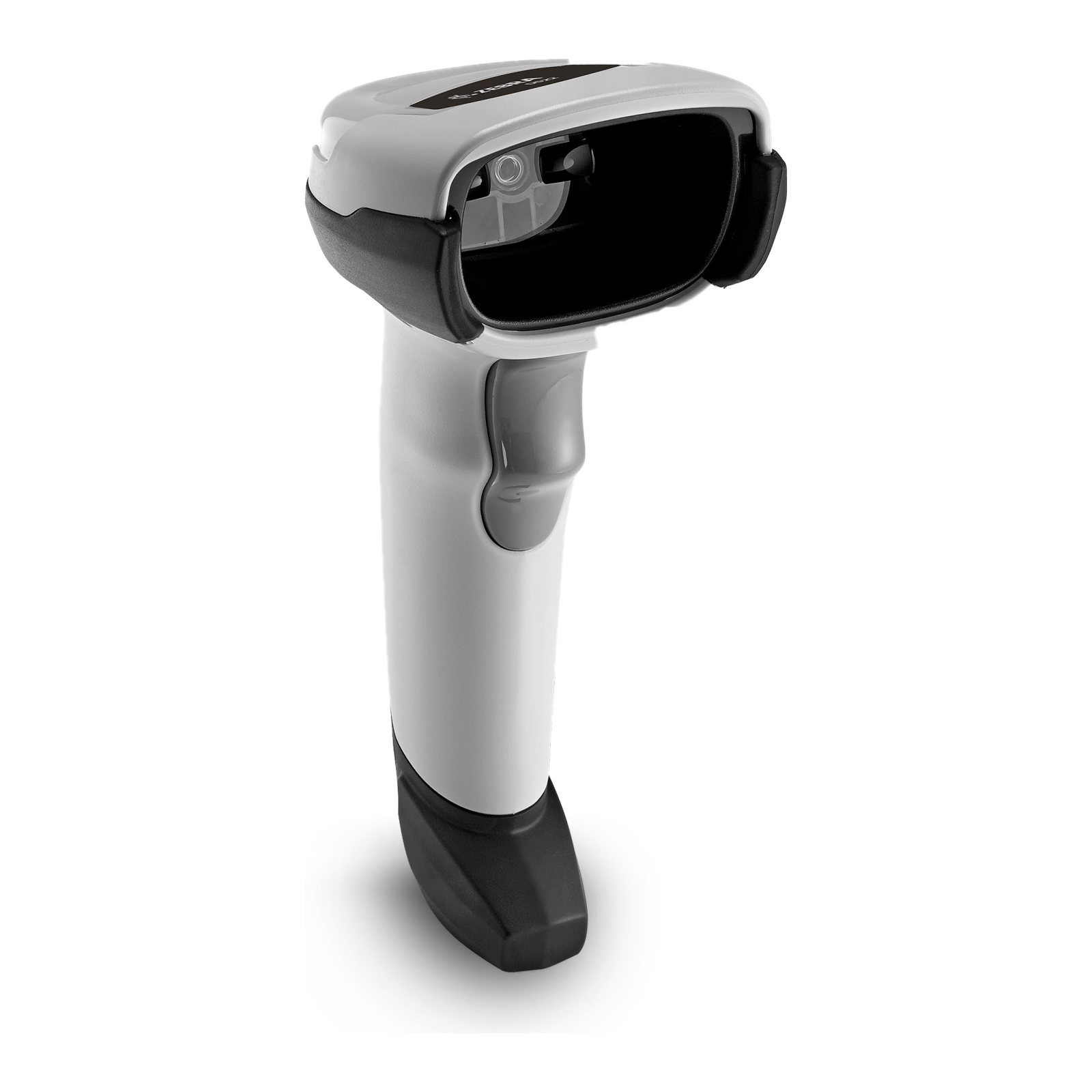
Mindware (Indian Barcode Corporation), based in Dwarka, New Delhi, can help you choose and test the right option. See the Zebra DS2208 Corded 1D/2D Handheld Barcode Scanner or send an export or domestic enquiry to our sales team.